
A camera is an optical instrument used to capture and store/record images and videos, digitally via an electronic image sensor, or chemically via a light-sensitive material such as photographic film.
Cameras function through multiple optical/mechanical/electrical/electronic components and principles. These aspects include exposure control, which regulates the amount of light reaching the sensor or film; the lens/optics, which focuses the light; the viewfinder, which allows the user to preview the scene; and the film or sensor, which captures the image. Several different kinds of cameras exist, each suited to specific uses and with unique capabilities.
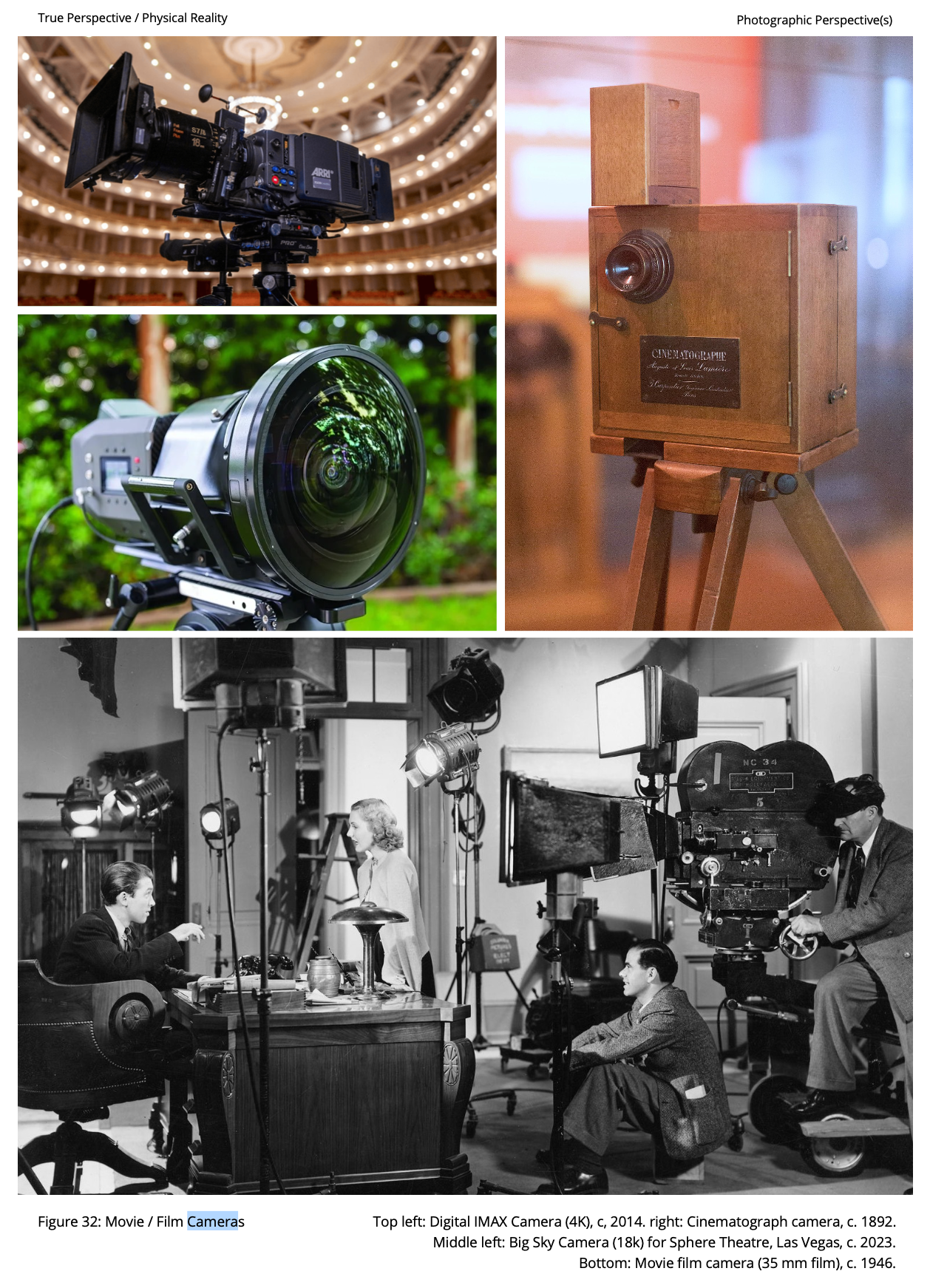
Single-lens reflex (SLR) cameras provide real-time, exact imaging through the lens. Large and medium film-format cameras offer higher spatial image resolution and have been used in professional photography. Compact cameras, which use smaller-sized photographic film, are portable and simple to use, and have been popular in consumer photography. Rangefinder cameras, with separate viewing and imaging systems, were historically widely used in photojournalism. Film-based motion picture cameras are employed for filming cinematic content, while digital cameras, which have become prevalent in the last twenty years, use electronic sensors to capture and store moving images.
The rapid development of smartphone and digital camera technology in the 21st century has meant that most people carry a rapid-use and high-quality camera wherever they go, profoundly influencing how society creates, shares, and consumes images.
 Perspective Research Centre
You must be logged in to post a comment.