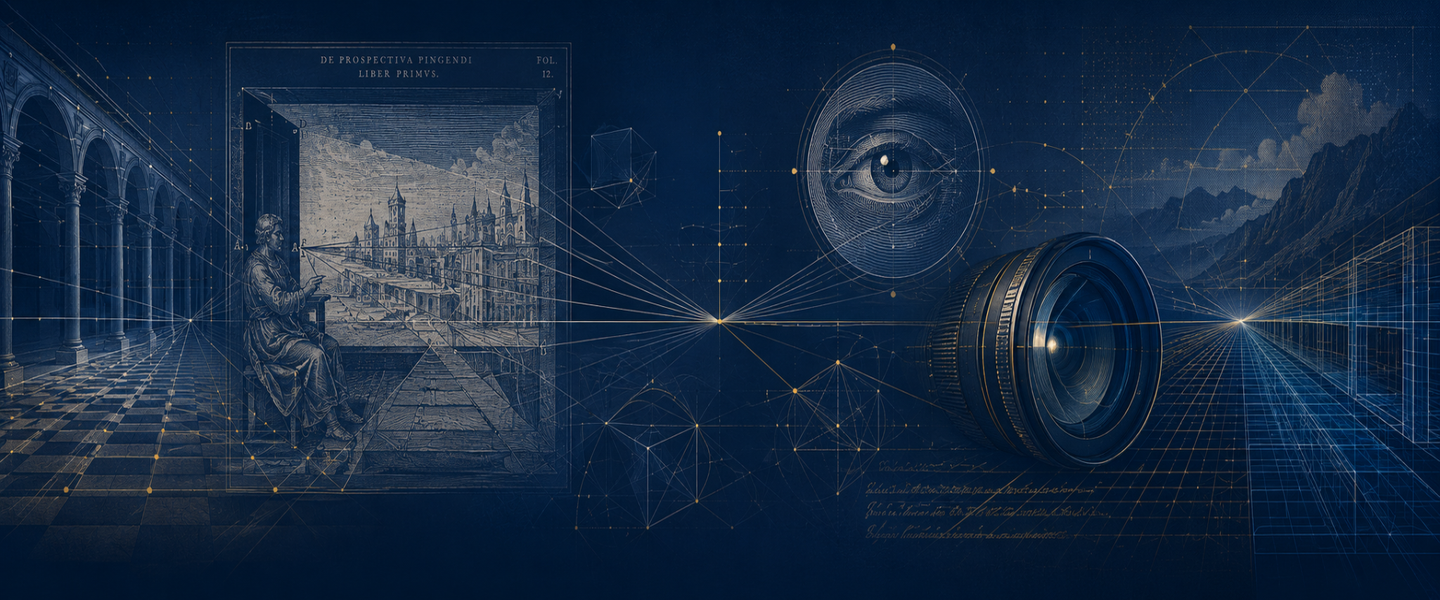

The development of medical imaging is closely linked to advances in perspective, enabling accurate views of the human body’s external and internal aspects.
Anatomical Perspective
Anatomical perspective captures/views/explores images/views of the human body, and may include visualisation of internal structures. Can be in the form of artistic images, or New Media body scans projected onto computer displays, etc. Sometimes these visualisation techniques are called bodyscapes, or methods for showing the inside and outside of the human body simultaneously, from multiple angles and possibly at multiple scales and points of view.
Such methods evolved from figure drawing, or making a freehand sketch or drawing of the human body or an anatomical drawing. Leonardo da Vinci experimented with the transparency principle and multi-angular perspective, producing the most amazingly detailed, often accurate portrayals of the human body, inside and out. Da Vinci trained as an artist in Florence but flourished in science after moving to Milan in the 1480s. As his career progressed, Leonardo focused more on anatomy research, aiming to publish an illustrated treatise.
Between 1490 and 1506-13, Leonardo studied the nervous system, internal organs, bones, muscles, the heart, and the reproductive system. In monastery hospitals and medical schools, he dissected about thirty human corpses, documenting his findings in hundreds of drawings and thousands of words.
Leonardo’s advanced knowledge of perspective enabled his drawings to be highly accurate and realistic renderings that greatly enhanced their accessibility and understandiong of the topics they depicted. Overall, Leonardo effectively founded the modern science of medical imaging.

Medical Imaging
Perspective principles/methods/theories have been usefully applied to the field of medical imaging. For example, new kinds of ‘transparent’, multi-layer, multi-view, and multi-scale perspective views, and associated visualisation technologies, have received prominence in medical work, ever since the development of the first X-ray machine and various types of microscopes.
Later, computed tomography, magnetic resonance imaging, and sonography further expanded the range of medical imaging techniques. These technologies enable the visual exploration and representation of the human body through new perspectives and images that vastly extend the capacities of human vision.
You must be logged in to post a comment.